Ender der 1980er Jahre brach der zweite Summer of Love an. Aus den USA erreichte Acid House, so wie es seit den 1950er Jahren durchaus üblich war, zuerst die britischen Insel(n) und erreichte wenig später das europäische Festland.
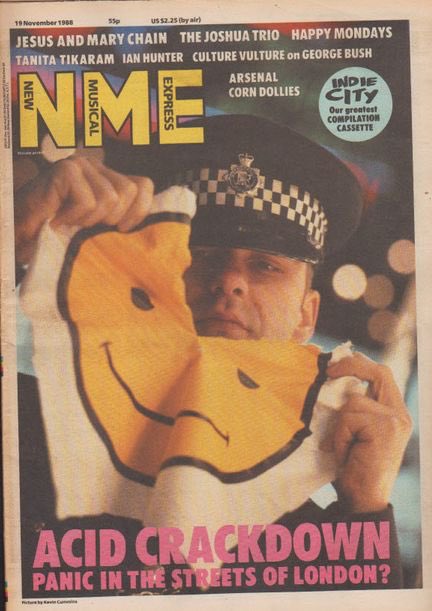
1988 schlagzeilte die NME: „Acid Crackdown in the Streets of London?“ Die britische Öffentlichkeit war in Panik. Die Sorge war groß, dass die Jugend des eigenen Landes Großbritannien erneut auf der internationalen Bühne in einem schlechten Licht dastehen lassen könnte.
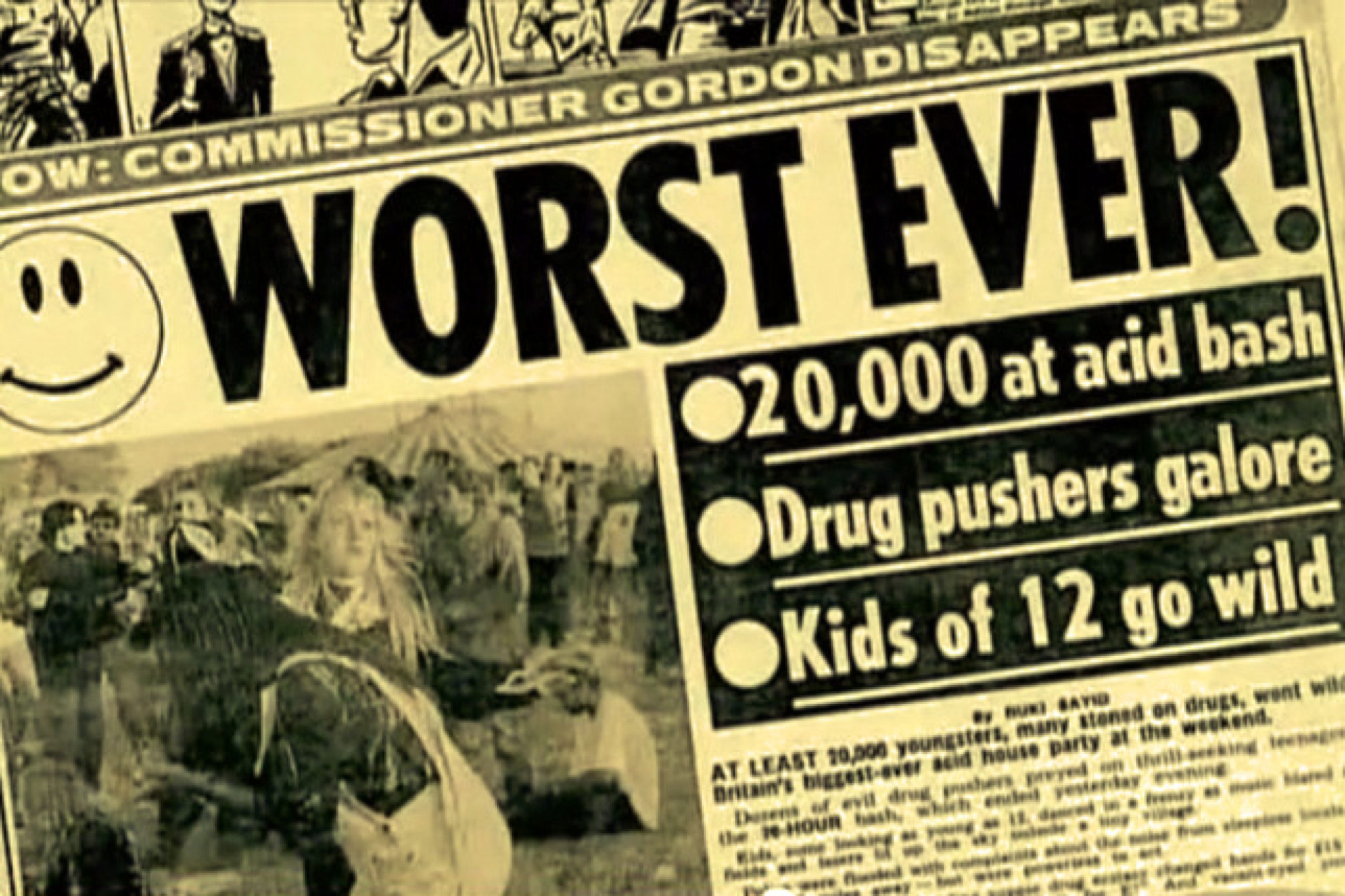
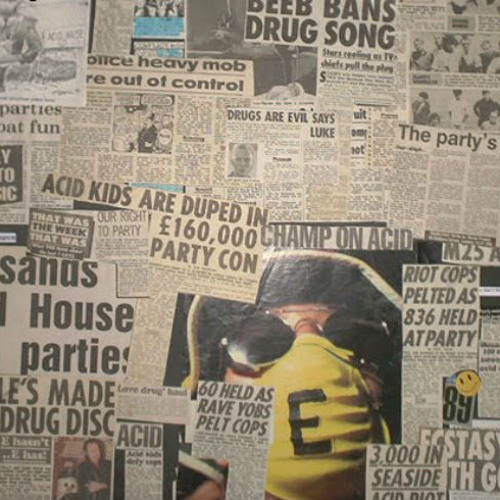


Peace, Love and Harmony stand jetzt auf der Tagesordnung. Wie sehr die neue Feierei das Land kulturell veränderte, zeigt der Blick auf den mit der Ankunft von Acid House beginnenden Wandel der Fußballkultur. Füllte einst die Rivalität und Gewalt zwischen den Football Firms die Seiten der britischen Tabloid Press, gab es nun wichtigeres zu tun als sich gegenseitig aufzulauern und einzuschenken. Suddi Raval, UK Rave Ikone, erinnert sich:
It [Acid House] helped bring about an end to football violence in ways that no one could have predicted. It is ironic that the, then Tory government tried to kill acid House because they also tried to control football violence. How funny that it took Acid House to do that? Many of the people who took part in football violence did so because there was so little else to do for many working class lads. Fighting with your rival teams gave Football Casuals something to do when life was pretty dull and eventless and with unemployment so high in the 80’s and social tensions reaching fever pitch, people had little money but then along came Acid House. A lot of the people who said they switched from fighting to clubbing said they would never have been friends with the people they were previously fighting with but Acid House and the euphoric feeling it gave left them uninterested in clenching their fists and instead had them reach for the stars as they rejoiced in the newfound scene and everything that went with it.
https://closerthanmost.com/blogs/news/suddi-raval-a-brief-history-of-acid-house
Mehr bietet übrigens Jeremy Dellers Doku, die 2019 auf BBC Four erstmals ausgestrahlt wurde.